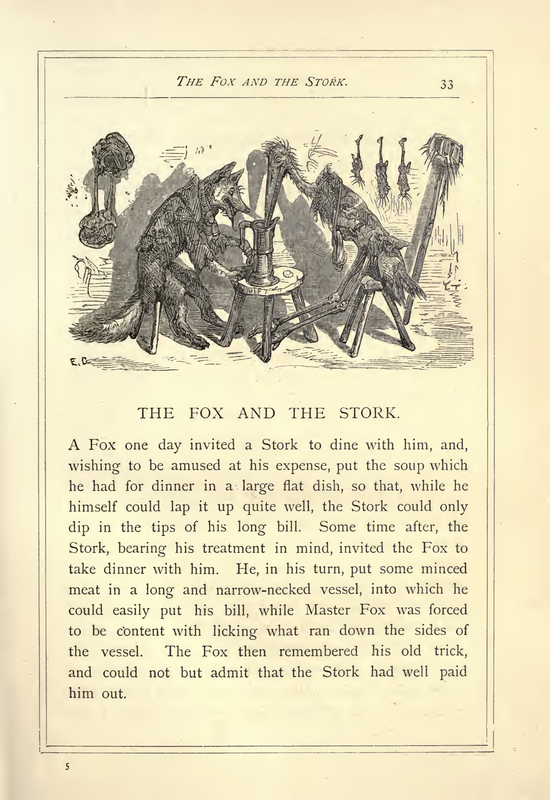
A fox and a stork are bot sitting on a stool on either side of a small, low, wooden table. The fox, on the left side, has both paws resting on the table and has a happy and surprised expression on its face as it looks down a vase that is resting atop the table. On the right side, the stork is bent forward with its long beak inside of the vase. The stork’s legs stretch out under the table.
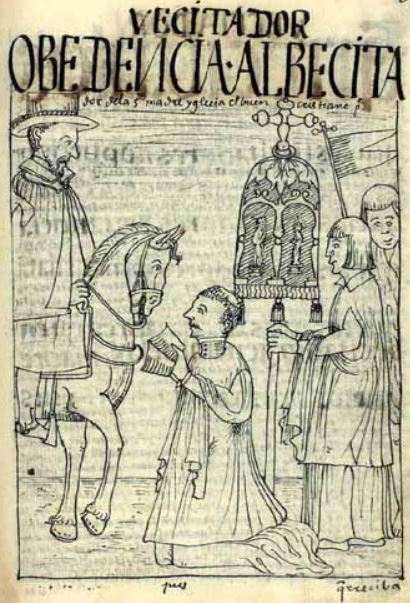
This image depicts the arrival of a Spanish pastoral inspector who is illustrated riding on his horse on the left side of the image. He is wrapped in a cloak and is wearing a hat. He is looking down at the man kneeling before him. The kneeling man is a parish priest who obediently greets the inspector as he arrives. He is illustrated holding a book. There are two indigenous men standing behind the parish priest holding ceremonial banners to welcome the inspector. One banner is intricately decorated and has a cross at the top, while the other is a smaller flag banner.
There is an illustration at the top of the page; below this illustration is a body of text. In the illustration, two people can be observed with the person to the left helping the other person enter into a small cave like place. The second person’s feet can still be observed sticking out. A tree can be observed in the background.
A young Indigenous woman stands on the bank of a river, shown from the front and from behind. Her hair is knotted at the nape of her neck. She wears a necklace of beads, and has an adornment, either a physical cuff or an inked design, around her biceps, her wrists, and her calves. She wears a fringed skirt tied around her waist and is barefoot and shirtless. In the river behind her, other Indigenous people are shown in canoes, and on the opposite bank there are several buildings.
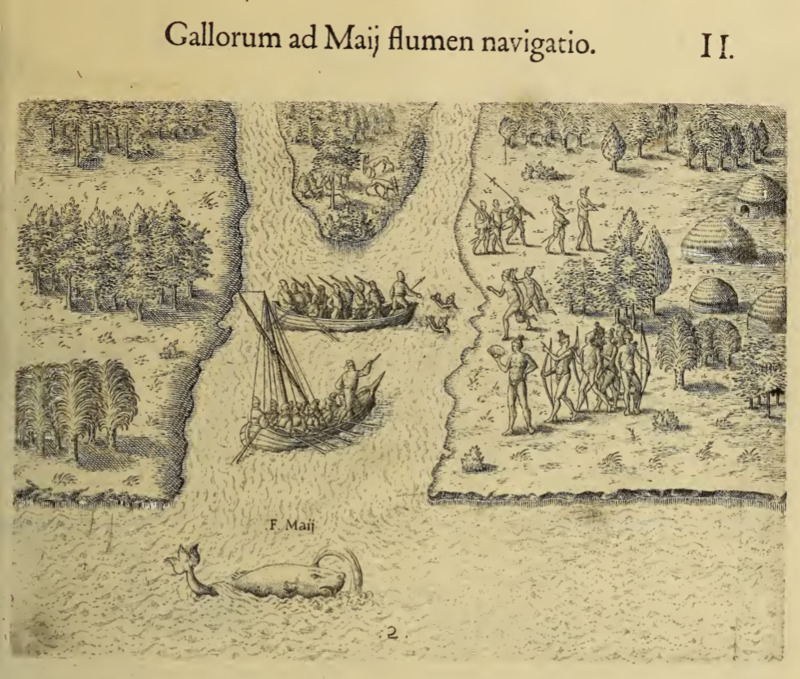
Two small rowboats of settlers are shown at the mouth of the May River (known today as the St. Johns River) on the coast of Florida. There are two Indigenous people in the water, appearing to greet one of the boats. On the right bank, a group of Indigenous people stand, some hold bows and arrows. Some are looking at and gesturing towards the colonists’ boats. Four small round structures are also pictured on the right bank.
A large group of Indigenous Brazilian people take part in a long procession, possibly preceding or following a burial as part of a mourning practice. They first stop at a vat on the ground where they take a bowlful of the beverage inside. The group then proceeds towards their village and through several of the structures. Many members of the group wear feathered headdress, ornaments around their neck or waists, necklaces, and/or feathered capes. Many also carry bows, clubs, rattles, conch shells or other wind instruments, or pipes. This illustration is a simplified and mirrored version of the one found on page 83 of Paris, 1557.
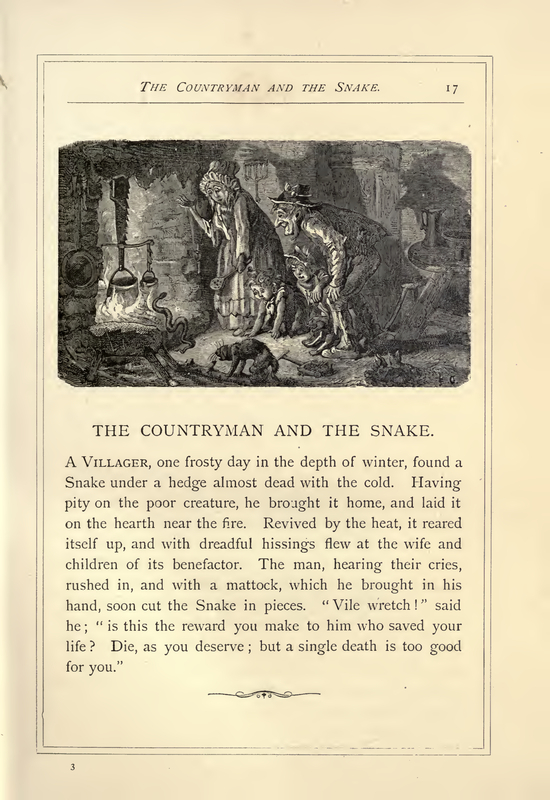
A group of people are inside a small house. A woman, an old man, and two children stand at the hearth of a fire towards the left-hand side of the image. A snake wanders near the fire, creeping up to look at the humans. Inside the house, there are pots and cauldrons, rats, and other objects amongst the disorder of the house.
Mr. Chopper, Mr. John Osborne’s clerk, has dressed in his best suit and frilled shirt to meet his client. He is putting on his gloves and has an umbrella tucked under one arm. Beside him, his wife is smiling with her arms folded, and one of his daughters looks up at him eagerly with her hands behind her back. Another one of his children can be seen peeking around the corner, also smiling.
Amelia Osborne holds Georgy Osborne tight to her chest, her body turned away from her mother but head facing her. Mrs. Sedley stands next to her, in shock, holding the teaspoon from which she had just been secretly feeding her grandson medicine.
On a farm field, a crow is perched at the top of a leafless tree holding something in its mouth. Below the tree is a large fox looking up at the crow. In the background, there is a house with a cross atop its roof, insinuating a church. There is a large field on both sides of the image with bushes.
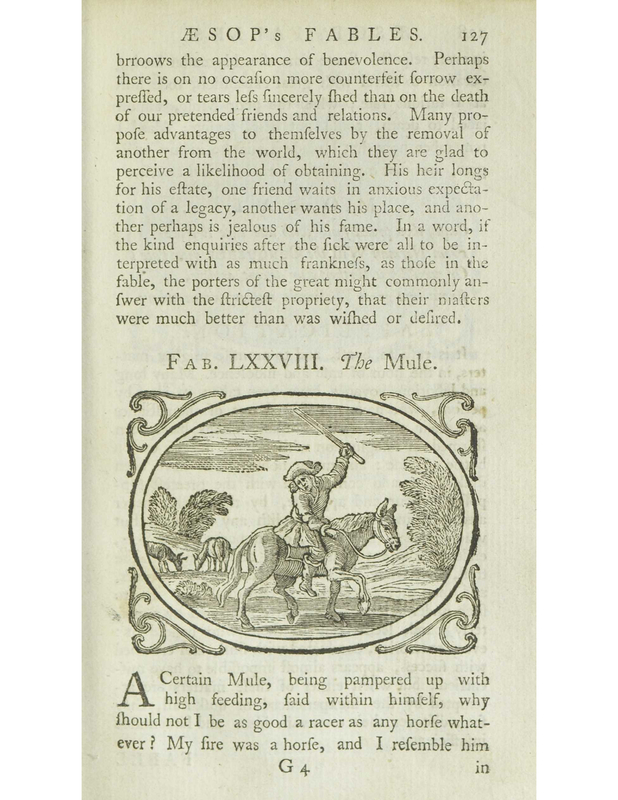
A man with a large stick rides a mule. There are two more mules that can be seen grazing a little ways off in the background with lots of rolling hills.
At the auction of the Sedley estate, Mr. Blowman holds up a portrait of Joseph Sedley riding an elephant to show the buyers. William Dobbin is seated directly in front of the painting, looking up with a startled expression at the bearded man looming over him. Mr. Hammerdown is peering down at the two men from the auction block, holding his mallet up. Among the figures in the background, on the right side of the picture, are Rawdon and Rebecca Crawley. Below the illustration is printed in cursive its title, “An Elephant for Sale”.
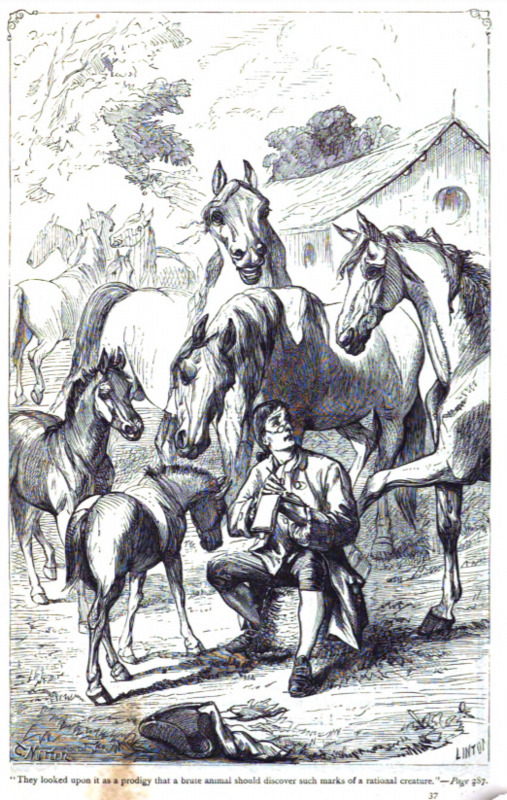
Here we see Gulliver surrounded by the Houyhnhnms. He holds a pad of paper trying to learn the language. He was learning from all of the Houyhnhnms, including the children. The Houyhnhnms were surprised that Gulliver learned the language, as no other Yahoo had ever learned it.
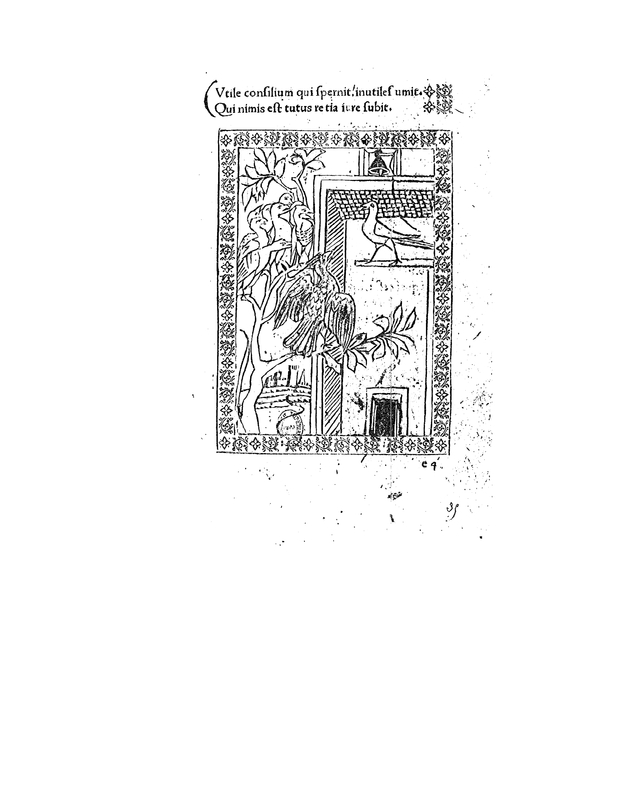
There is a bird perched on a building in the centre of the image. There are eigth birds perched on the tree who seem to be listening and arguing with the bird perched on the building. On top of the building there is a bell. One of the bird on the tree is flaring its feathers.
Here we see the gifts Gulliver gave to the Houyhnhnms that gave him shelter. These included two knives, three bracelets, a small mirror and a necklace. It was common practice for sailors to carry gifts of these kinds to offer locals of the places they visited. The same image appears in the 1839 Krabbe edition.
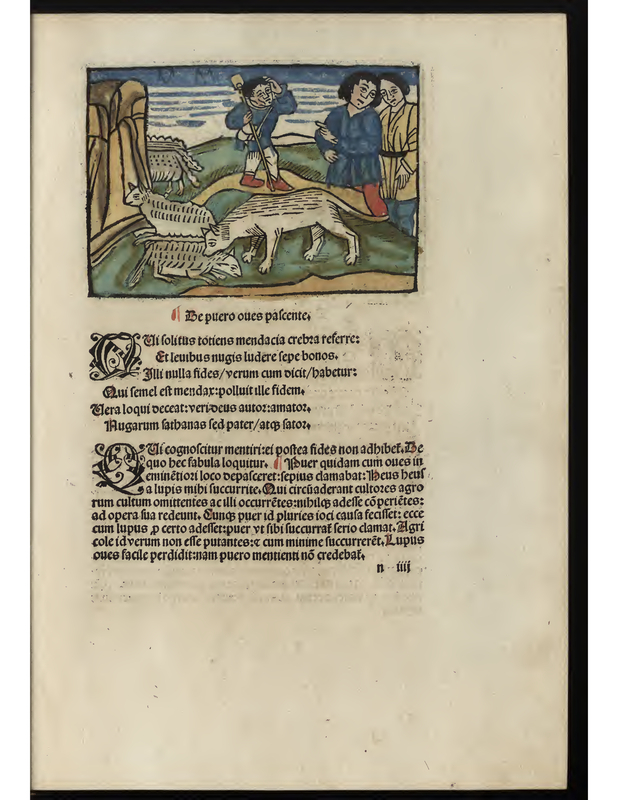
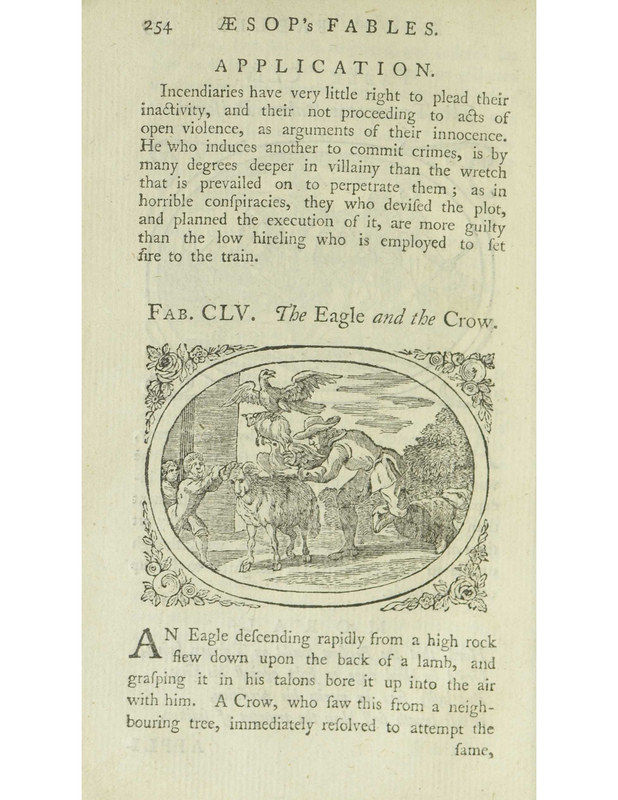
A sheep stand in the middle of the image. On the right of the sheep there is a man holding a dove on top of the sheep, with more sheep behind him. To the left there are two small children tugging on the sheep’s ears. In the background, there is an eagle lifting a sheep into the sky.
A drummer boy glances fearfully around the battlefield as he plays a beat upon his drum. The background is of low hills and clouds of smoke, with the letter T from “Thus” in the top right corner.
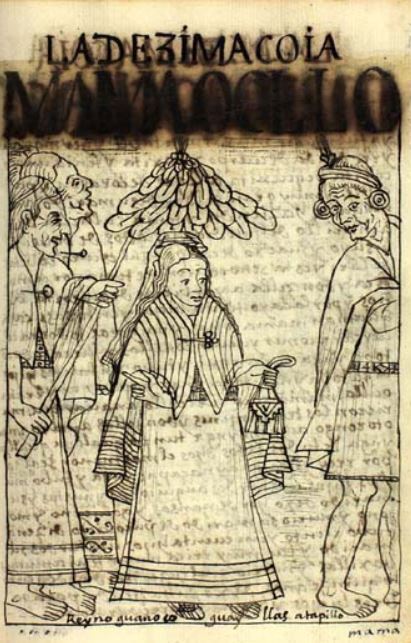
This illustration depicts Mama Ocllo, the tenth Coya [Queen] of the Inca Empire. She was married to her younger brother, Topa Inca Yupanqui, the tenth king of the Inca Empire. Mama Ocllo is depicted standing in the centre of the image wearing traditional royal garb. She is surrounded by servants with one of them shading her with leaves. The words “Reynó Guanoco, Guayllas, Atapillo” which translates to “He reigned to Guanoco, Guayllas, Atapillo.” These are the regions that her and her husband reigned over.
![Vita et Fabulae [A man helping another person enter a cave]](https://collections.cemvc.ca/files/large/86d8a89829fb561942ed88e5f29fea5a073b87e7.jpg)

![[An Indigenous Brazilian group participates in a ceremonial procession]](https://collections.cemvc.ca/files/large/52e111e20b3c457617a8fc26c2807caafff72516.jpg)
![[Mr. Chopper on his way to Work]](https://collections.cemvc.ca/files/large/ea478e4abdd8318ef2d753128558d595e5acda75.jpg)
![[Amelia and her Mother]](https://collections.cemvc.ca/files/large/65459de1b77ce4a4f54beb214bd35b874f4aeea3.jpg)
![[The Fox and the Crow]](https://collections.cemvc.ca/files/large/f65a8578805334d70912b86a7b61c6f90492f4df.jpg)

![[Gulliver’s presents to the Houyhnhnms]](https://collections.cemvc.ca/files/large/8a89775190285488a2ace2dea856919db1ada9cd.jpg)
![[Vanity Fair Vol. II Chapter XXXI Historiated Initial]](https://collections.cemvc.ca/files/large/2d3044aa7fdadfdb820678e67290ea243069b759.jpg)