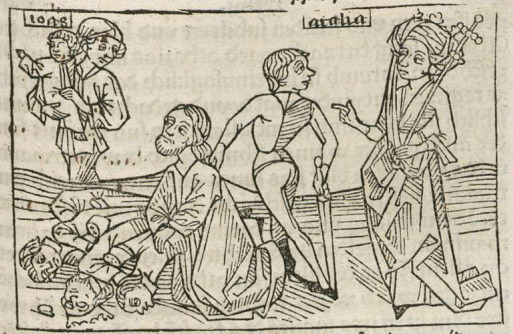
This engraving depicts Athaliah, queen of Jerusalem, executing the descendants of David. Athaliah is depicted on the right side of the engraving holding a scepter and pointing towards a man. We know that this is Athaliah as her name, written as “Atalia”, is engraved beside her head. Boccaccio explains that Athaliah’s father was the king of Israel, and her husband was the king of Jerusalem. When her husband died, and her son (who succeeded his father) died, she seized power and slaughtered the descendants of David to avoid anyone taking her power and throne. There is a man depicted with a sword about to execute a man, under Athaliah’s orders. There are three other men illustrated who had already been slain. There is a person in the background of the engraving carrying a child named Jehoash (his name is written as “Ioas” above his head). This child is Athaliah’s grandson who escaped her executions.
Three figures in sashes and pointed hats, holding poles, stand in formation before curved-roof buildings. In the top right corner of the image is the letter T from “The”.
There is an illustration at the top of the page; below this illustration is a body of text. In the illustration, towards the left of the illustration a holy person is conversing with another man who is beside him. They are conversing beside a small structure that looks like a mini staircase attached to a mini tower. At the top of this structure are some letters inscribed on it.
This image depicts an indigenous mayordomo [chief attendant/steward] inserting a key into a lock to open a large door. The mayordomo is illustrated holding a bag of money in his left hand. There are words written on the door that he is opening which reads, “depocito y despensa” [deposit and storeroom]. The mayordomo was responsible for handling day-to-day operations and administration of rural parishes in colonial Peru.
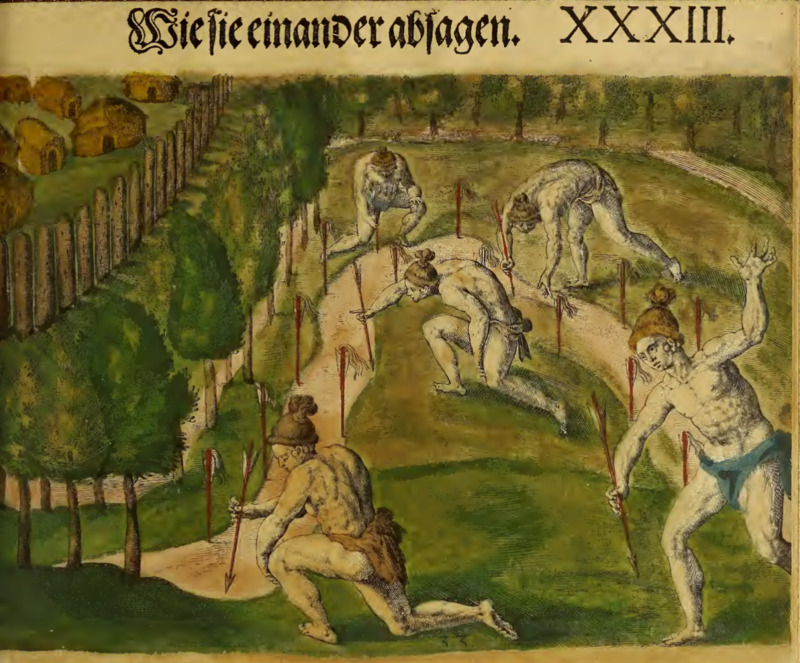
Five Indigenous men are shown. They are in the process of burying arrows, tip down in the ground with the shaft and fletching showing, around the outside of a village. This illustration is identical to the one found on page 109 of Frankfurt 1591, but colored.
Here we see Gulliver encountering the farmer giant’s cat. The cat has its eyes set on Gulliver, with its ears back and whisker’s spread, a sign that the cat is interested in something and wants to catch it. A bowl separates Gulliver from the cat. Gulliver is standing on the edge of the table, leaning back in alarm. This image highlights the difference in scale between the giant’s world and reality. The same image appears in the 1843 Krabbe edition.
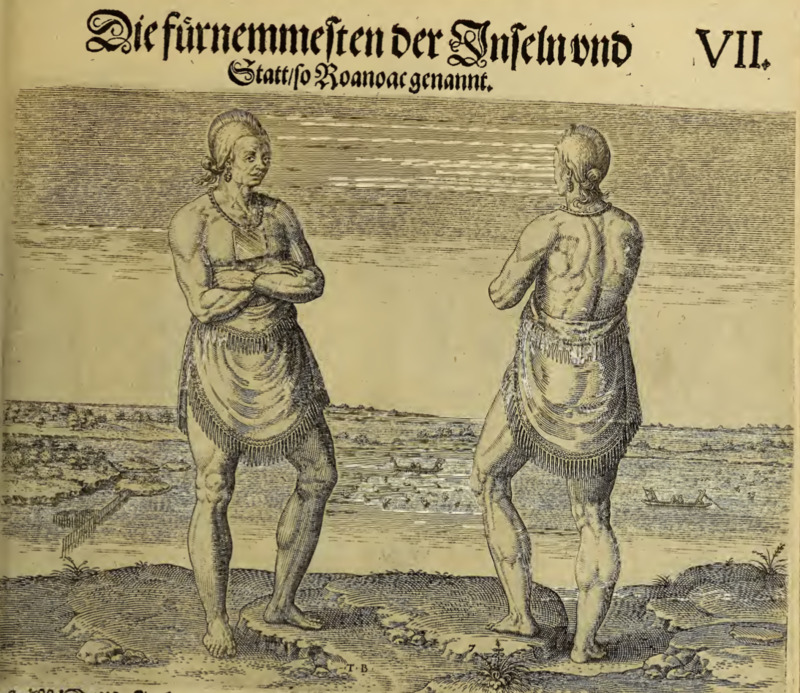
An Indigenous man, a chief, is pictured from the front and from behind standing on the bank of a river. A section of his hair is feathered in the middle of his head from his forehead to the nape of his neck, where the rest of his hair is gathered in a knot. He wears beaded earrings, a necklace with a large square pendant, and beaded bracelets around his wrists. He wears a fringed skirt draped around his waist and is barefoot and shirtless. In the background, other Indigenous people are seen in canoes, and there is a fishing apparatus in the water in the left part of the background.
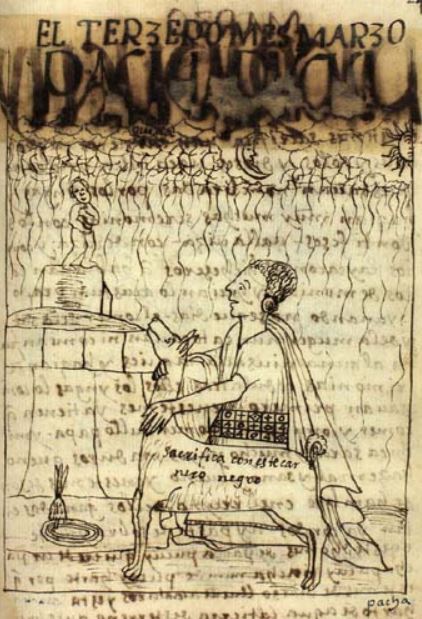
This chapter is dedicated to discussing the traditions and rituals of each month during the Inca Empire. The Incas tracked the months and years through the stars and their months consisted of thirty days. This image depicts the third month of March, which was dedicated to the sacrifice of black llamas to the idols of the Incas. A man is depicted kneeling in the image as he holds onto a llama which he is about to sacrifice before the idol resting on the hilltop. The author explains that this month was heavy in rain, which is why there are clouds and rainfall depicted at the top of the image. The caption on the image reads “sacrifica con este carnero negro,” which translates to “they sacrifice the black llama.”
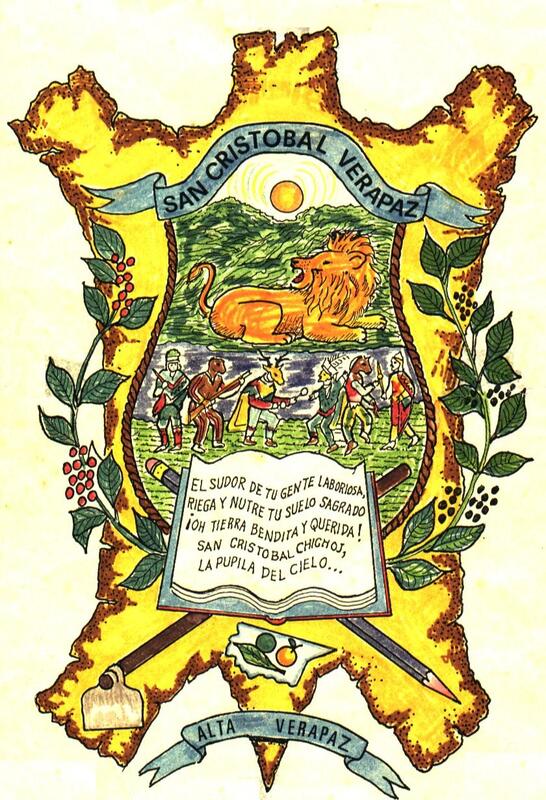
SAN CRISTOBAL VERAPAZ EL SUDOR DE TU GENTE LABOROSA, RIEGA Y NUTRE TU SUELO SAGRADO ¡OH TIERRA BENDITA Y QUERIDA! SAN CRISTOBAL CHICHOS, LA PUPULA DEL CIELO... ALTA VERAPAZ
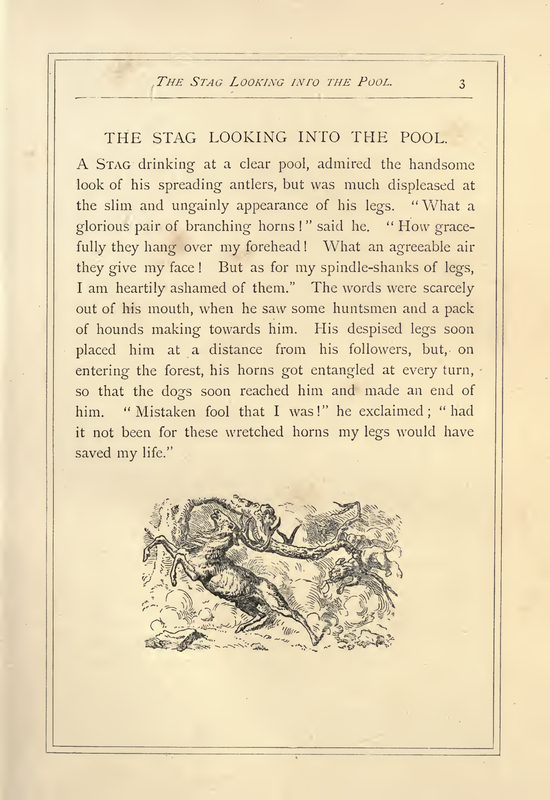
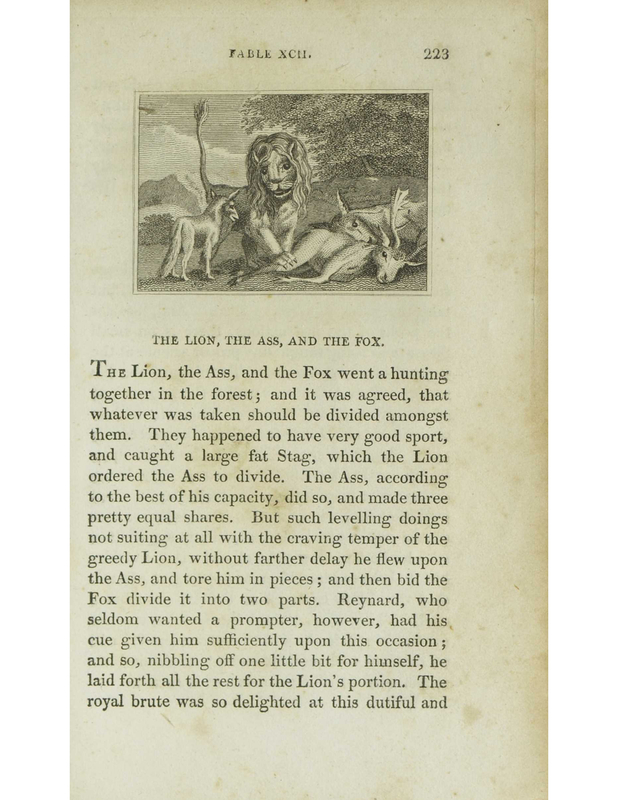
A stag is wildly running away to the left of the image. Behind it, a large cloud of dust is forming, and a running lion comes out of it, going after the stag.
A group of Indigenous people are in the process of burying the body of a deceased man. The body has been bound with rope about the arms and wrists and has been placed into the grave in a kneeling position. Two men kneel on either side of the grave each gripping one of the deceased man’s arms and holding a basket over his head. Two different men shovel dirt into the grave, and a third stands at the head of the grave holding a rattle or ornament and wearing a feathered headdress. Three women, one with a child by her side, crouch around the grave with their hands over their faces in distress, and there are bows and a club on the ground near their feet, perhaps to be buried with the deceased. This illustration is a simplified and mirrored version of the one found on page 82 verso of Paris, 1557.
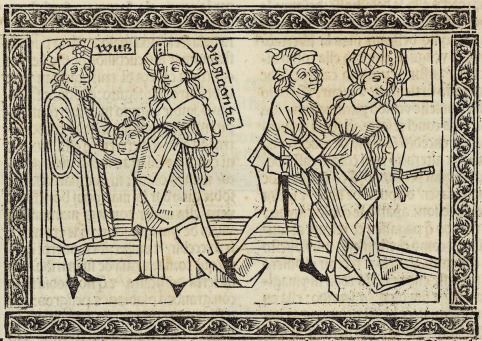
This engraving depicts the queen of the Galatians standing on the left side of the image holding a decapitated head. This woman’s name is unknown; however, she is the wife of King Drigiagon (whose name is engraved beside her head). After being taken as a captive by Roman enemies, the Galatian woman was defiled by a Roman centurion. This is depicted on the right side of the engraving as the queen is bound by a chain on her left hand while the centurion is putting his hand up her dress. She is illustrated looking away and fighting back as he forces himself onto her. To seek her vengeance, once she was freed through ransom, she ordered her servant to decapitate the man who raped her. The Galatian woman is holding the severed head as she presents it to her husband to prove that she was defiled by this man. Boccaccio explains that she wrote on this woman to highlight her daring and courageous nature.
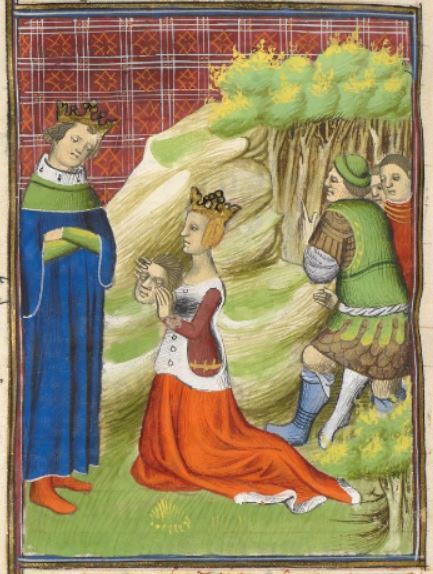
This illumination depicts the queen of the Galatians kneeling in the centre of the image holding a decapitated head. This woman’s name is unknown; however, she is the wife of King Drigiagon. After being taken as a captive by Roman enemies, the Galatian queen was defiled by a Roman centurion. To seek her vengeance, once she was freed through ransom, she ordered her servant to decapitate the centurion. The Galatian queen is holding the severed head as she presents it to her husband to prove that she was defiled by this man.
In this image we see leaning on a table with his head in his hand looking alarmed. The image itself is slightly askew to show Gulliver’s concerns. This image comes after his sentence had been read by Lilliputian officials. Gulliver’s punishment was to be blinded by several sharp arrows. The same image appears in the 1843 Krabbe edition.
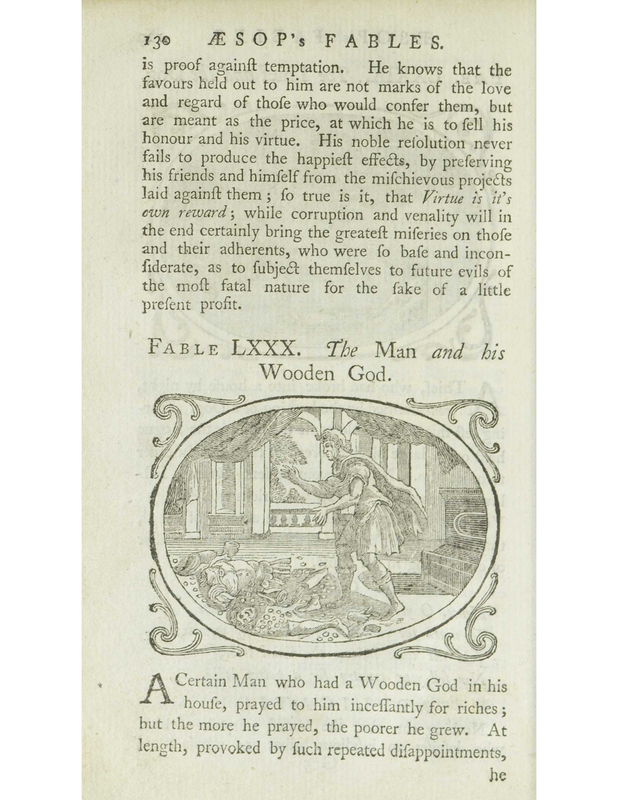
A man looks down upon a statue of a God that he has just smashed. Many gold coins are scattered across the floor having been released from inside of the statue.
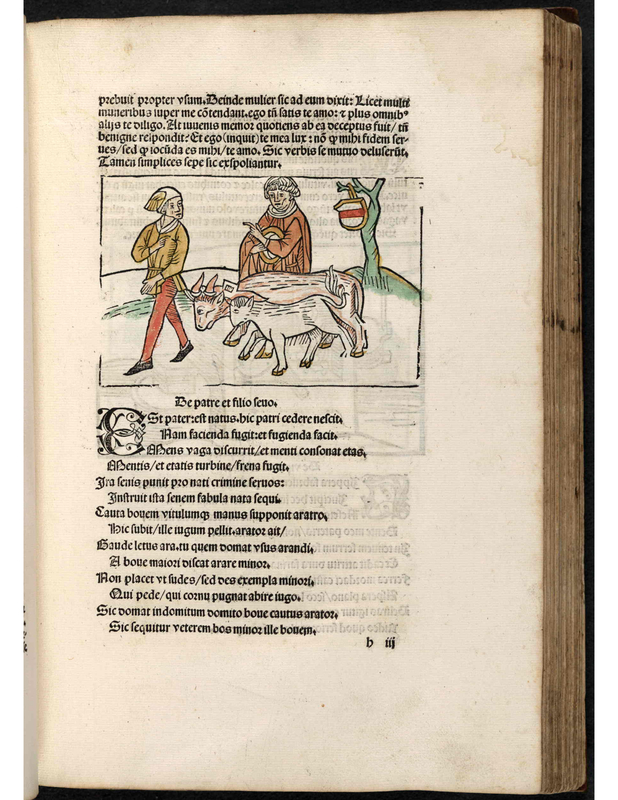
A father and a son lead two sheep, one elderly and on young, through a baron forest with a single, dying tree. On the branch of the tree, a shield appears to be hanging.
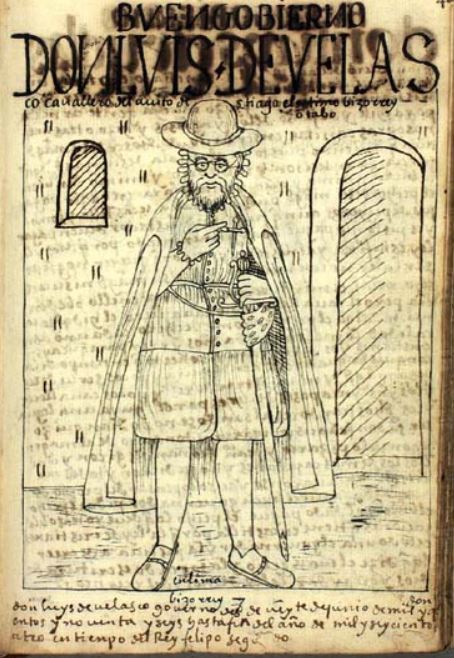
This image depicts a standing portrait of the eighth Spanish viceroy of Peru, Don Luis de Velasco. He is illustrated wearing glasses and traditional European/Castilian clothing as he holds the hilt of his sword with his left hand. The caption by the viceroy’s feet identifies the location as it reads, “en lima” [in Lima]. The large caption at the bottom of the image reads, “don luys de uelasco gouerno desde ueynte de junio de mil y q[uini]entos y nouenta y seys hasta fin del ano de mil y seyciento[s y cu]atro en tienpo del rrey felipo segu[n]do” [Don Luis de Velasco governed from June 1556 to the end of the year 1604 at the time of King Philip II].
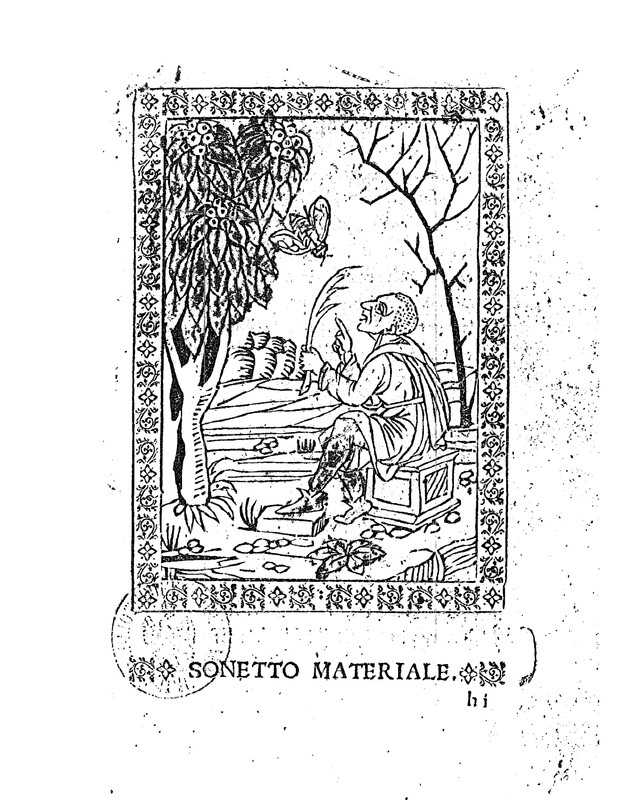
A Man sits on a box and is looking up at a large bee coming from a tree, the man holds what looks like a stick in his hand and it looks like he is saying something. A dead tree is in the backround to the right. The image is bordered by a vine design
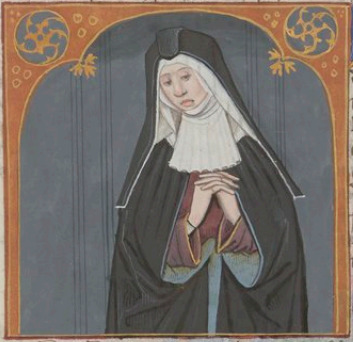
This illumination depicts a portrait of a woman named Artemisia. She appears to have a solemn look on her face as she looks down and has her hands together in prayer. She is wearing clothing that suggests she is a widow. Artemisia was married to Mausolus, the king of Caria, and was so grieved by his death that she ordered a magnificent sepulcher to be erected in his honour. She is famous for having remained a widow for the rest of her life after Mausolus’ death.
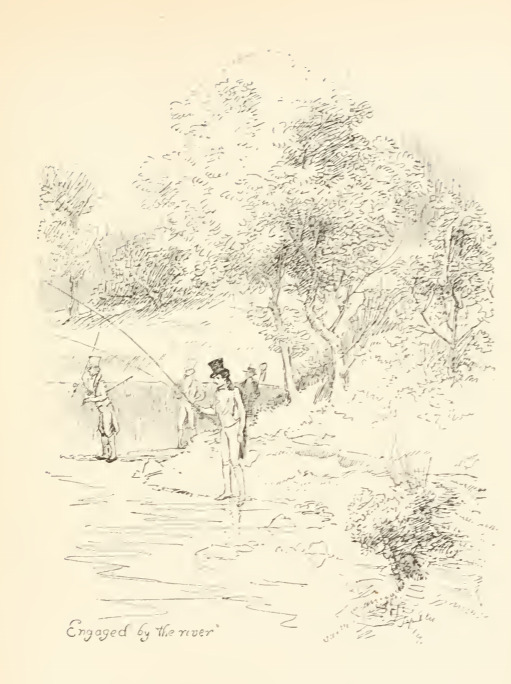
In this image Mr. Gardiner joins Mr. Darcy and Mr. Bingley fishing in the river near Pemberley. While the men were fishing, Elizabeth and Mrs. Gardiner visit Georgiana, Caroline Bingley, and Mrs. Hurst at Pemberley. This scene occurs in chapter 44. The characters are shown in the traditional regency style. Mr. Gardiner, Mr. Darcy, and Mr. Bingley wear waistcoats and tailcoats with cravats and top hats. The regency period dated to the early nineteenth century (1811-1820) when George, Prince of Wales, later George IV (r. 1820-1830), reigned as regent for his mentally ill father, King George III (r. 1760-1820). The regency period is associated with the rise of neoclassicism in art and fashion.
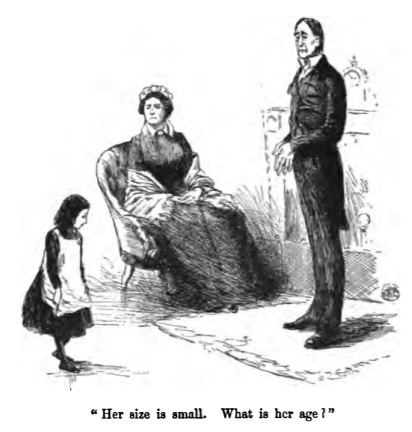
Here Jane Eyre first meets Mr. Brocklehurst, the superintendent of Lowood School. Mrs. Reed, Jane’s aunt, sits in the corner. Mrs. Reed neglected Jane her whole life, however Mr. Reed who died shortly after Jane’s parents died, made her vow to take care of Jane. Jane expressed an interest in going to school, and Mrs. Reed found Lowood, a charity school where the students were underfed and poorly clothed, run by Mr. Brocklehurst. He was also the pastor at the church in the town near Lowood. Following an outbreak of typhus in the spring of Jane’s first year an inquiry was launched, and Mr. Brocklehurst was relegated to a seat on a newly formed a committee to oversee the school.
The goddess Minerva (also known as “Pallas”) is depicted on the left side of the illustration with a distaff under her left arm as she spins wool between her fingers. Her right hand is holding the spindle. This illustration depicts wool work as Minerva is known to have discovered the art of wool work and weaving. There is another person in the illustration sitting on a bench as they soften out their wool with an iron comb. There is no indication as to who this person is, however, they could be symbolic of Minerva teaching the world on how to weave wool.

![[Vanity Fair Chapter XL Inhabited Initial]](https://collections.cemvc.ca/files/large/6a3e26252fa50c939a0201f6f4afde80798c6459.jpg)
![Vita et Fabulae [Two men converse in front a small tower like structure]](https://collections.cemvc.ca/files/large/5bdd13c2aef749a201ba2b81661349de388b46ef.jpg)
![Maior[do]mo: Los Maiordomos de la Santa Yglecia y de Cofrades Hospitales Deste Rreyno](https://collections.cemvc.ca/files/large/56d23a6f5e4192af813e6f6a9430082f7baa964a.jpg)
![[The family cat of the farmer giant spots Gulliver on Brobdingnag]](https://collections.cemvc.ca/files/large/0b8702bf5b7f54967be36969a6f2941db2ce0aba.jpg)

![[Funeral and burial customs of an Indigenous Brazilian group]](https://collections.cemvc.ca/files/large/d843d4e69a6875768f299a08503e669fd001e9cc.jpg)
![[Gulliver looking alarmed after hearing his sentence from the Lilliputians]](https://collections.cemvc.ca/files/large/2adce8cd2d5a6702c6236d291b37c01b13be831d.jpg)
![[Minerva Discovering the Art of Wool Work]](https://collections.cemvc.ca/files/large/50c595dc91747a7a9808e5e67bcafb9d0f7d97c6.jpg)