The following procedures will be used when naming or renaming streets within each grid area in the City of Bisbee. 1. City Planning Department personnel shall determine the need to name or rename a street based upon the criteria of Section D of this Ordinance. 2. Unless a petition for street naming is received, pursuant to previously adopted procedures, the City Planning Department personnel shall assign a revised street name. 3. Upon renaming a street due to duplicate names or roads with more than one name, the Department will send notice to each owner of property along that road, recommending a new name. Owners or tenants may respond to the notice within fifteen (15) days, after which the Department will make a final decision. Notice of the decision will be sent to the owners and other respondents. 4. If the Department's proposed street names are not objected to, each street name shall be effective fifteen (15) days after notice of name assignment is issued. 5. Upon naming a street that has no official name, the Department will propose a road name and notify the owners of occupied properties accessing that road of the proposed name by mail. Residents may submit a Road renaming Petition to change that name within fifteen (15) days after the receipt of the letter from the Department. If 51% support a different name that meets the principles of Section D, the Department will approve that name and give final notice of the road name to the residents at or prior to the time of distributing address numbers.
The top of the picture has a dark sky with two seagulls flying above a body of water. In the centre there is an ape riding on the back of a dolphin. The dolphin is playing in the water with this ape riding on top of him.
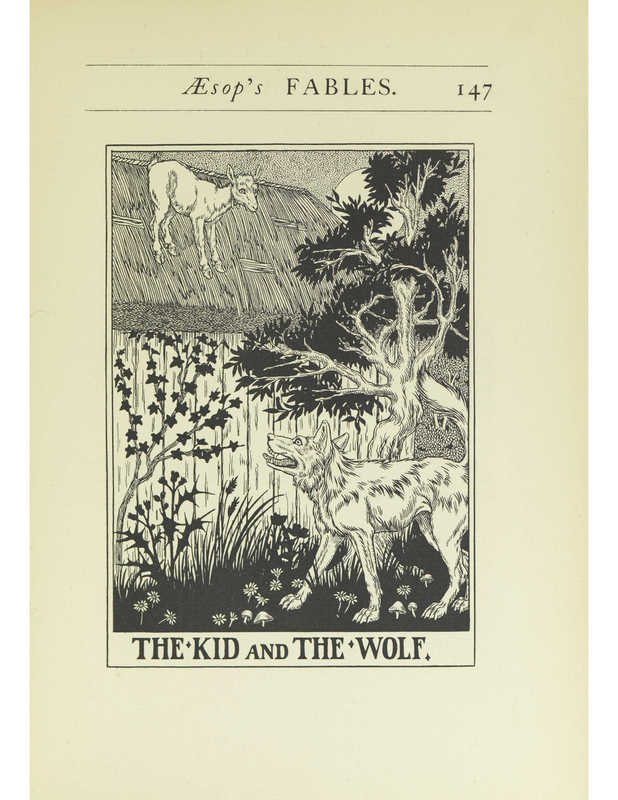
The side of a shed is visible on the left side of picture with a Billy goat (kid) on top staying away from the wolf. The wolf is standing on the ground at the bottom of the shed on the right-hand side of picture. There is a tree growing up the side of the shed. Weeds are growing as well as wildflowers and wild mushrooms around the base of the shed. The full moon is visible through the top of the tree at the top left side.
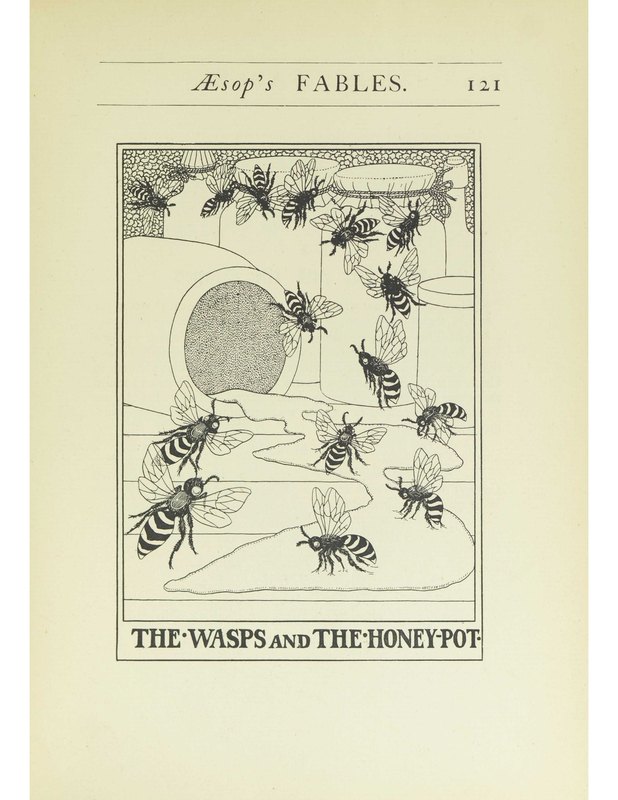
The top of the picture there are 5 jars for honey with bees flying around them. There is a six jar about halfway down the left side that is laying on its side with honey spilling out to the bottom righthand side of picture. There are 14 bees flying around the entire picture. A few of them have landed in the honey.
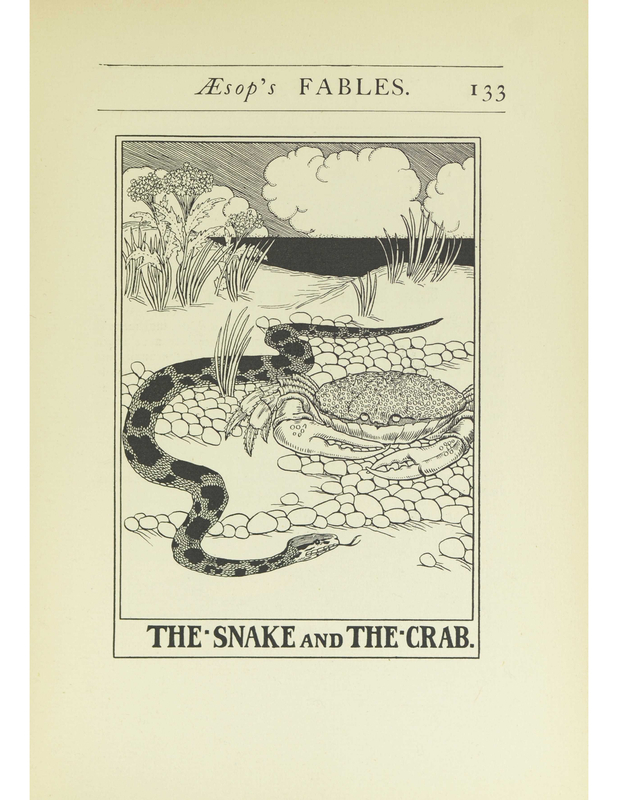
The top of the picture is a sky with huge clouds and just below we can see some water. We see sand and weeds that lead to the snake. The centre right of the picture has a large crab that is surrounded by this snake. The crab is sitting on rocks. The snake’s tail is at the back of the crab and his body stretches to the left side of the picture around the crab, leading to his face that is looking at the crab
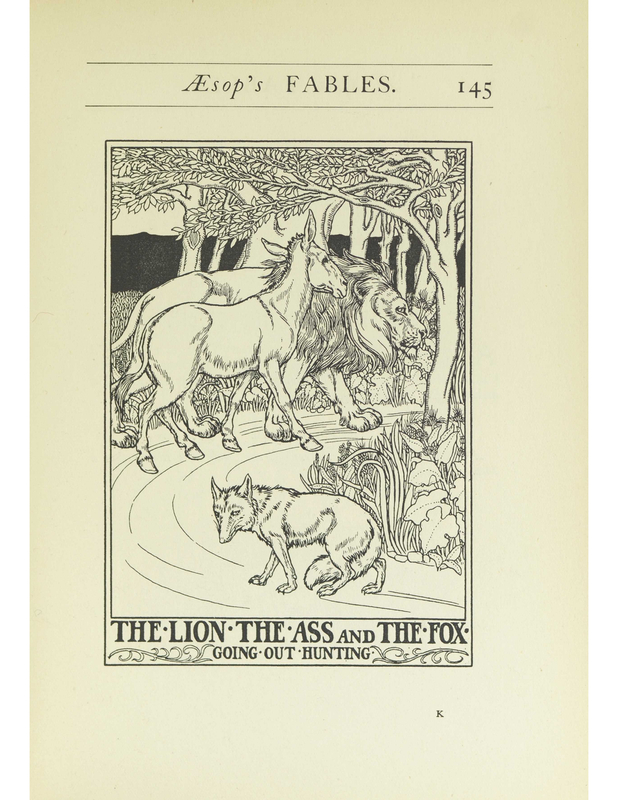
There is a lion and a donkey walking side by side on a trail through the woods. The trees are at the top of the page with a path that the animals are walking on. To the bottom right there is a fox that is looking behind him on the trail following the lion and donkey. There are wildflowers growing on both sides of the trail.
The top of page a peacock is standing with his feathers open wide, there are two birds flying in front of his feathers. In the centre of the picture a magpie is standing looking at several geese, cranes and birds that are located at the bottom and sides of the picture. They have the magpie surrounded. The magpie’s body is facing all the birds and his head is turned looking at the peacock.
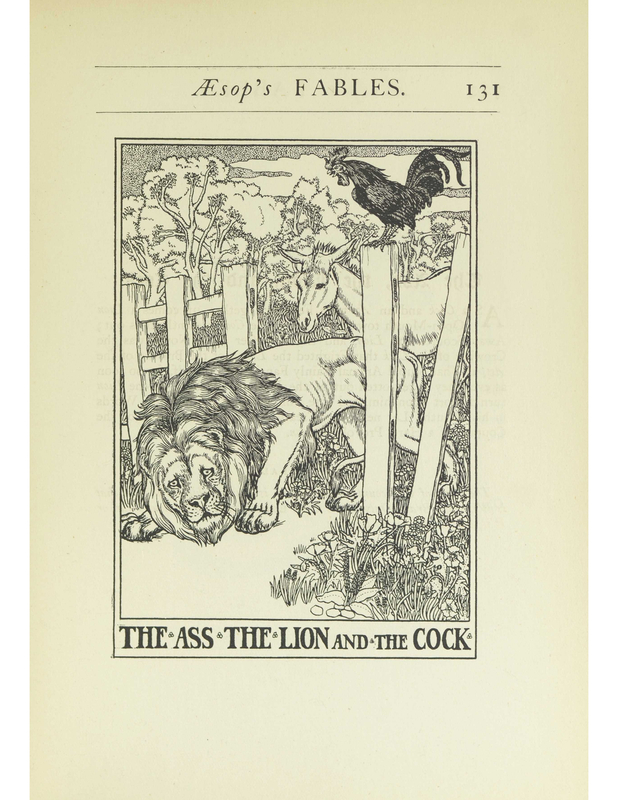
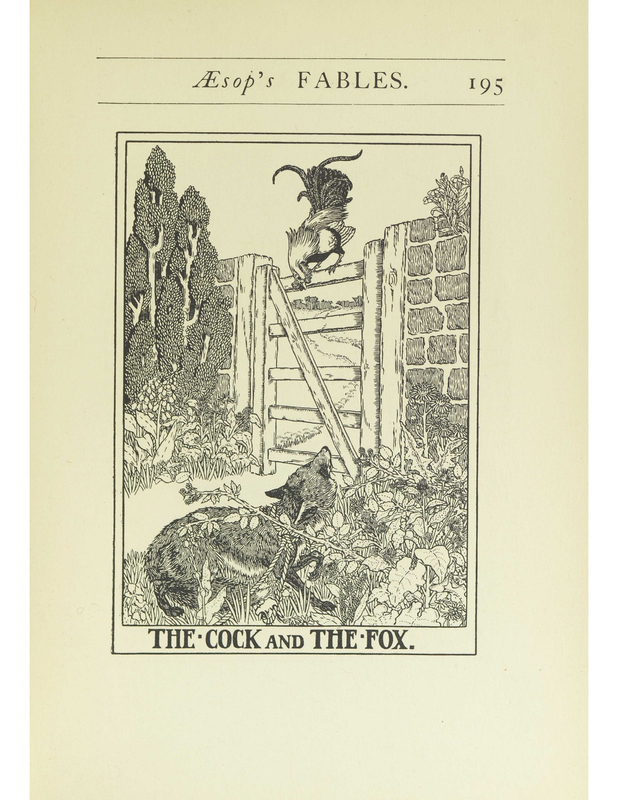
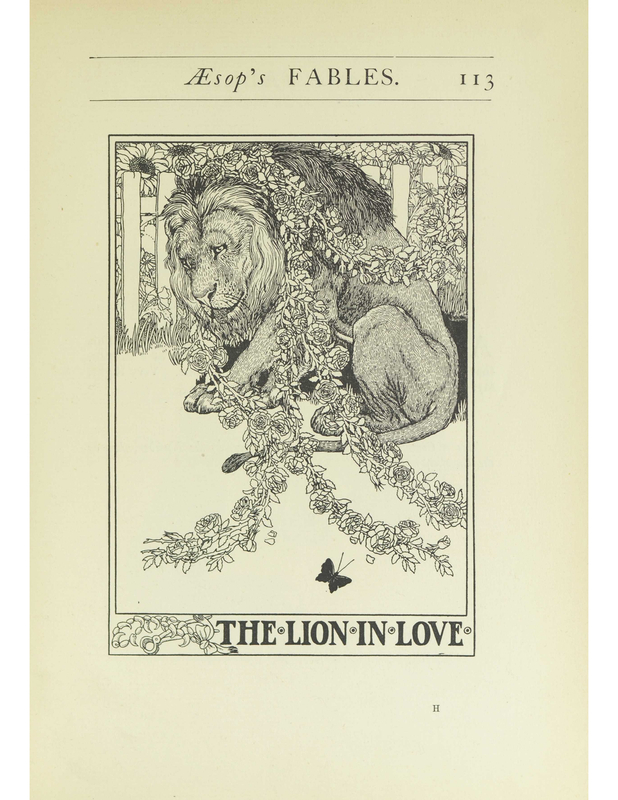
The top has a sky and some trees, then we see a fence that has an opening. There is a cock perched on top of a part of the fence on the right-hand side. In the opening of the fence to the left a lion is scrunched down cowering from the cock coming through the fence. Behind the lion a donkey is following. The animals are both walking on grass and weeds that disappear after the opening in the fence to the bottom left of picture.
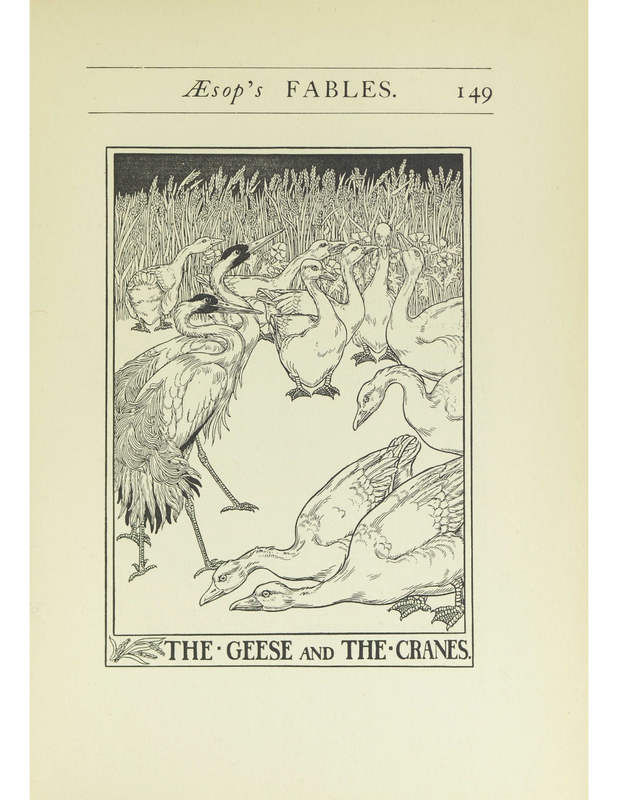
In the centre at the left side there are two cranes. The very top of picture there is wheat growing, in front of the wheat there are six geese between the cranes and where the wheat begins. To the right of the cranes there is one goose and at the bottom right hand there are two geese that have their heads close to the ground. The total amount of geese is nine.
At the top right there is branches hanging over lots of weed and cattails. On one of the branches a raven sits watching three swans, two of which are eating off the top of the water, the third looks like it is just floating on top of the water. The water starts about midway in the picture and has lily pads floating on top.
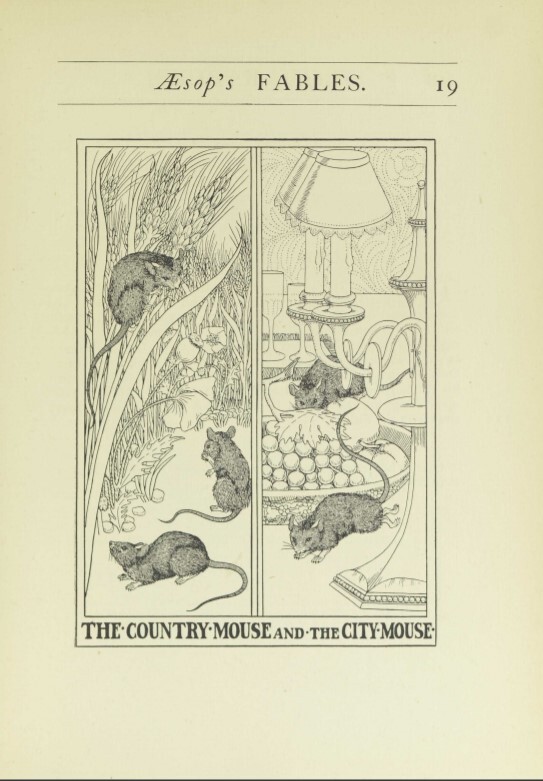
Two side-by-side images, the image on the left consists of of three mice in tall grass. The image on the right is of two mice on a dinner table, eating the food.
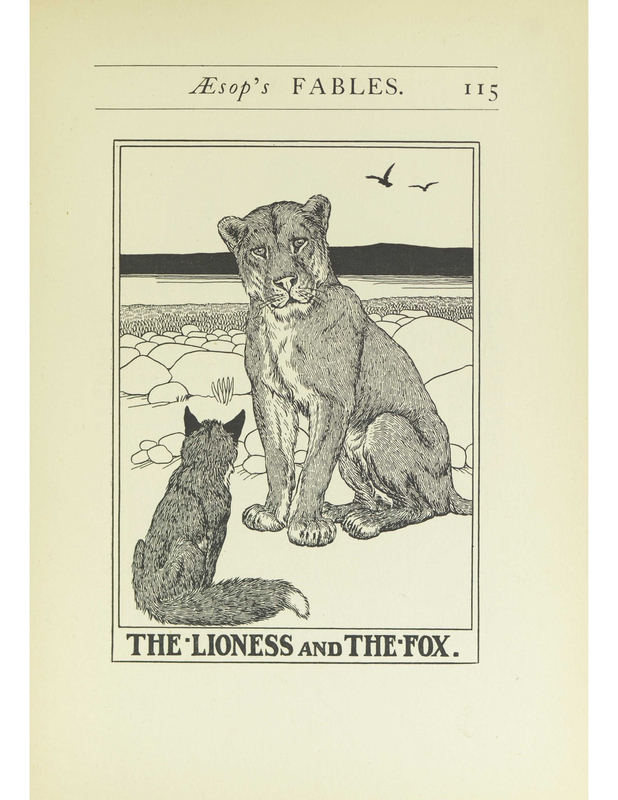
A fox and a lioness sit facing each other on a rocky terrain as birds fly by. The lioness has her gaze pointed forward while the fox looks at the lioness.
A smiling dolphin is chasing a concerned looking tuna in the ocean. The other fish are just swimming along and not paying attention to the dolphin or the tuna.
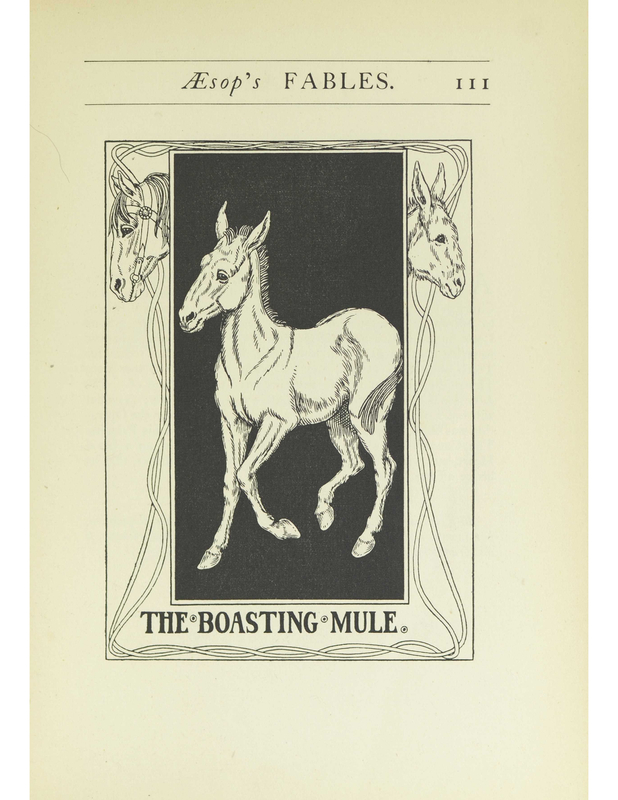
A mule angled to the side is standing in front of a black background. In the boarder, to the right of the center mule, is a head of another mule wearing a bridle and to the left, is the head of another mule not wearing a bridle.